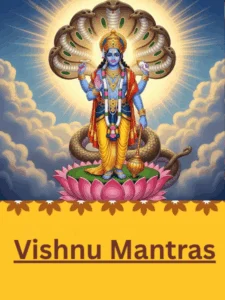

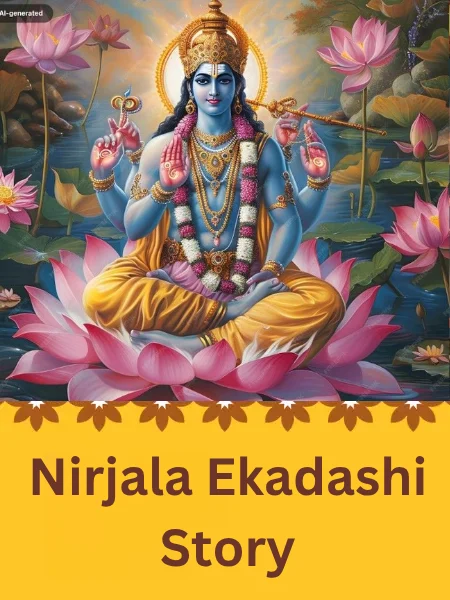
Learn about the sacred Nirjala Ekadashi, the most powerful and spiritually rewarding among all twenty-four Ekadashis. On this day, devotees of Lord Vishnu observe a strict fast — abstaining from both food and water — to purify the body, mind, and soul, and receive divine blessings equivalent to fasting on all Ekadashis of the year.
Nirjala Ekadashi falls on the Ekadashi tithi (11th lunar day) of the Shukla Paksha (bright fortnight) in the month of Jyeshtha.
This sacred fast usually occurs between May and June each year.
In 2023, Nirjala Ekadashi was observed on Wednesday, 31st May.
It is believed that by observing this single fast with full devotion, one receives the spiritual merit of all 24 Ekadashi fasts combined — a true blessing for devotees unable to fast every month.
The term ‘Nirjala’ means ‘without water’.
As the name suggests, devotees fast completely on this day — without food or even a single drop of water — from sunrise on Ekadashi until sunrise the next morning (Dwadashi).
This day is dedicated to Lord Vishnu, the preserver of the universe. Devotees believe that observing this fast washes away past sins, protects from future suffering, and ensures salvation after death.
In ancient scriptures, this Ekadashi is also known as Bhimseni Ekadashi or Pandava Ekadashi, as it was first observed by Bhima, one of the five Pandavas from the Mahabharata.
The tale of Nirjala Ekadashi originates from the Mahabharata period.
Once, Maharishi Ved Vyasa approached Bhima, the mighty son of Pandu, and said,
“O Bhima, one who observes the Ekadashi fasts attains liberation and freedom from the sufferings of hell. You too should fast on both Ekadashi days each month.”
Hearing this, Bhima folded his hands and replied honestly,
“O revered sage, my brothers and mother all observe the Ekadashi fasts, but I cannot control my hunger. The fire of my stomach — the Vrika fire — makes fasting unbearable for me. Please show me a way where I can attain the same merits without fasting twice every month.”
Smiling compassionately, Ved Vyasa said,
“O Bhima, there is one Ekadashi that grants the merit of all others combined — the Nirjala Ekadashi, which falls in the bright fortnight of Jyeshtha. On this day, you must refrain from both food and water. By enduring this single fast with devotion, you will earn the fruits of all twenty-four Ekadashis.”
He further explained the discipline:
“From sunrise on Ekadashi until sunrise on Dwadashi, you must not drink even a drop of water — except for the ritual Achaman (sipping six drops). On Dwadashi morning, after taking a holy bath and offering prayers, donate food, clothes, and gifts to Brahmins and the poor. Then, break your fast only after feeding the needy.”
He added,
“This fast cleanses a person of all sins and ensures that at death, the messengers of Lord Vishnu, not Yama’s attendants, escort the devotee to heaven in a divine chariot.”
Following these sacred instructions, Bhima observed the Nirjala Ekadashi fast with complete faith.
Since then, this day has been celebrated as Bhimseni Ekadashi, the King of Ekadashis, known to grant both spiritual and worldly blessings.
Observing Nirjala Ekadashi grants the combined merit of all Ekadashi fasts throughout the year.
It purifies the soul, washes away sins, and brings peace, health, and prosperity.
Devotees who observe this fast with devotion are freed from worldly attachments and attain moksha (liberation).
It is said that even listening to or reciting the story of Nirjala Ekadashi brings auspicious results.
Complete your evening meal before sunset and take a vow to observe the fast.
Avoid consuming grains or restricted foods thereafter.
Sleep early and wake up before dawn the next morning.
Rise during Brahma Muhurta (3:45–4:30 AM) and take a bath, preferably with Ganga water mixed in.
Wear clean, light-colored clothes and apply sandalwood paste on your forehead.
Offer water and salutations to Lord Surya for energy and success in fasting.
Clean the puja area and place a yellow cloth on a pedestal.
Install an idol or image of Lord Vishnu and Lord Ganesha.
Light a lamp to invoke Agnidev as a witness to your worship.
Offer sandalwood, vermilion, rice grains, flowers, Tulsi leaves, and fruits while chanting:
🕉️ “Om Namo Bhagavate Vasudevaya”
Offer Panchamrit (a mix of milk, curd, ghee, honey, and sugar) and Tulsi to Lord Vishnu.
Recite the Vishnu Sahasranama or Sri Hari Stotram with devotion.
Perform aarti and distribute prasad after completing your prayers.
Wake up before sunrise, bathe, and perform Vishnu puja.
Offer food and donations to Brahmins or feed the poor.
Only after that, break your fast with prasad or light food.
Attains the blessings of Lord Vishnu and Goddess Lakshmi.
Receives the spiritual fruits of all 24 Ekadashis in a single day.
Gains relief from the cycle of sin and rebirth.
Achieves eternal peace, protection, and prosperity in this life and beyond.
“He who observes Nirjala Ekadashi with a pure heart attains divine bliss in this world and liberation in the next.”
Nirjala Ekadashi is not merely about renouncing food or water — it’s about surrendering one’s body and ego to the divine.
It’s a test of faith, patience, and purity of heart. When observed with full devotion, it brings Lord Vishnu’s eternal grace and spiritual awakening.